
Custom Plush Toys for Charities and Nonprofit Fundraising
Plan custom plush for fundraising merchandise, donor thank-yous or programme distribution with a clear specification and budget. Start with the intended recipients, quantity per design, authorised artwork, packaging and receiving date. Aokuma’s standard minimum is 500 pieces per design. Product requirements, documentation, costs and timing need project-specific review before an order is confirmed.
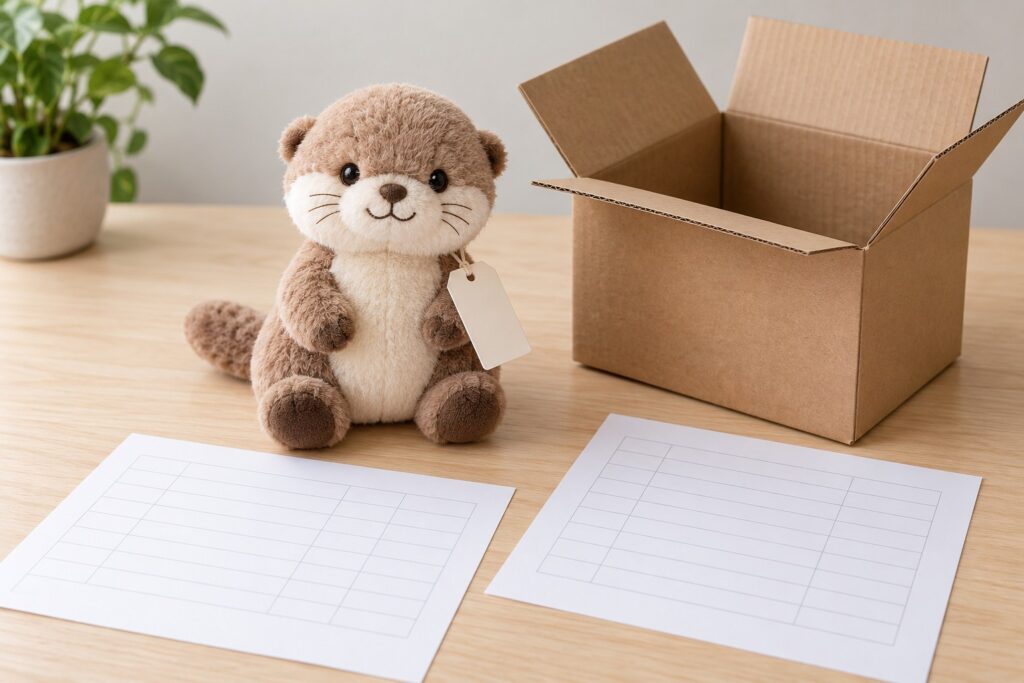
500 pieces
Standard minimum per design; confirm proposed variants
Product review
Define intended age, use and destination market
Evidence first
Confirm the scope of requested supplier documents
7–10 working days
Standard initial sampling; revisions and transit are separate
Six Ways to Plan a Nonprofit Plush Project
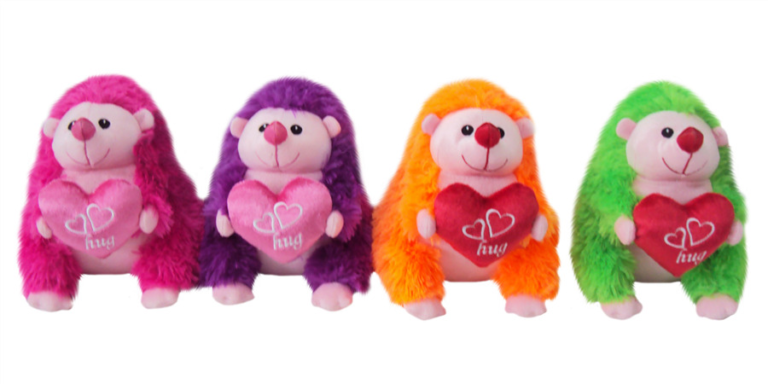
Fundraising Merchandise
Sell an authorised campaign mascot through your chosen channels. Set the price from your own budget and demand evidence, including fulfillment costs and unsold stock. A custom toy does not guarantee a fundraising surplus.

Donor Thank-Yous & Tiers
Define who qualifies for a thank-you item, whether receiving it is optional, and who pays postage. List quantities for each proposed size or design. Have your finance team review donor-facing terms and acknowledgements.

Awareness Campaigns
Use an authorised character or animal reference to represent the cause. Agree the message, logo placement and approval owner. Check campaign copy and any QR-code destination before approving printed tags.

Programme Distribution
For hospitals, shelters and relief partners, obtain the receiving organisation’s acceptance criteria before ordering. Confirm the intended ages, finished-product requirements, packaging and care guidance. Do not assume one design suits every recipient.
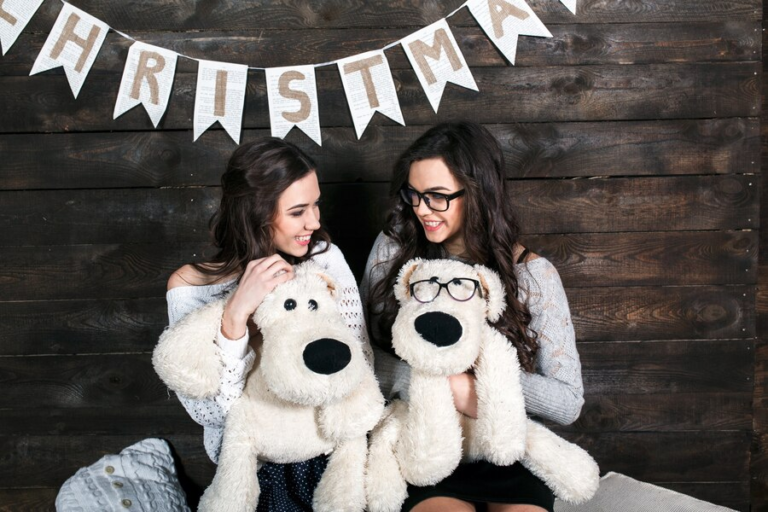
Galas, Runs & Events
Allocate stock to event sales, participant gifts or sponsor use, with an owner for each quantity. Plan receiving and kit preparation before the event date, and decide how any remaining stock may be used afterward.

Partner & Sponsor Programmes
Agree sponsor funding and branding permissions separately from the production brief. Identify who approves logos, packaging and public campaign wording. Any contribution linked to sales needs clearly agreed terms from the responsible organisation.
Making the Fundraising Maths Work
Start with your organisation’s budget, distribution plan and demand assumptions. Compare the complete project cost with the expected net receipts or programme funding. A factory unit price alone cannot establish a campaign’s margin.
- Specification. Quote the finished size, materials, decoration and packaging together; assess alternatives without assuming a universal cheapest construction.
- Complete costs. Separate development, bulk goods, relevant testing, freight, storage, payment fees and fulfillment. Mark estimates and exclusions.
- Quantity. Allocate units by design and campaign use. Compare scenarios using your own demand evidence, including the cost of remaining stock.
Send the design, quantity, intended use and budget for a project-specific review. Ask which specification changes affect the quotation. Our production cost guide explains the cost lines to compare; no design or price can guarantee a fundraising target.

The standard MOQ is 500 pieces per design. List proposed colours, sizes and branding versions separately, and confirm their classification and minimum quantities in the written quotation. Do not assume variants can share a minimum.

Confirm Safety Requirements for the Intended Recipient
Tell us who will use the plush, where it will be distributed and how it will be presented. Agree a product-specific review and documentation plan with the responsible compliance professional before release:
- Define the destination market, intended age and actual use; a charitable purpose does not establish the applicable product requirements.
- Assess the complete design, including clothing, loops, clips and decorative parts. Embroidered features alone do not establish suitability for babies.
- Identify the approved sample and specification, inspection criteria, document owners and issues that must be closed before shipment.
- Match reports and material claims to the finished product. Ask what the evidence covers rather than relying on another design’s documents.
Use the plush safety-document checklist to organise the review. The CPSC toy-safety guidance explains US requirements; confirm the rules applicable to your product and destination with a qualified adviser.
Review Supplier Evidence Before Making Public Claims
Tell us which supplier documents your organisation or sponsor requires. Review the issuing body, named legal entity, production site, scope, date and any unresolved findings. An audit and a finished-product test answer different questions; neither should be described as a blanket guarantee.
If your campaign uses recycled-content or environmental wording, request evidence supporting that specific claim and its scope. The FTC’s Green Guides summary cautions against broad, unqualified environmental claims. Confirm the wording your organisation will publish before printing packaging.

Prepare Campaign Branding and Packaging
Hang tag with QR code
Pair approved campaign copy with a QR code your organisation will maintain. Test the final printed code and keep required product information accessible.
Sewn-in charity label
Provide the approved organisation name, website and logo artwork. Review label size, readability and placement alongside required product information.
Gift-ready packaging
Compare a bag, header card or box against the actual handover and mailing plan. Approve the packed sample, dimensions and quote scope.
Limited & numbered editions
If an edition is numbered or dated, define the quantity, approval process and treatment of remaining stock. Ensure campaign claims match the agreed edition.
Nonprofit Plush FAQ
Is 500 pieces enough for a charity fundraiser?
500 pieces per design is Aokuma’s standard minimum, not a demand forecast or a recommended campaign size. Build your quantity from planned sales, donor thank-yous, programme distribution and reserve stock. Confirm proposed variants and their minimums in the quotation.
Are the plush toys safe to give to children in hospitals or shelters?
Suitability needs a product-specific assessment. Provide the intended age, country, construction and receiving partner’s acceptance criteria. Confirm the applicable requirements, testing and documents before distribution; embroidered features or charitable use alone do not establish suitability.
We do not have finished artwork. What should we send?
Send references you are authorised to share, the campaign theme, essential character features, desired size and quantity. Identify the person who can approve the design. Confirm the development and sample scope in the quotation before work begins.
How can our organisation review manufacturing and audit information?
State the documents your organisation or sponsor requires. Check the issuing body, named company and site, scope, date and findings of the evidence provided. Keep social-audit review separate from finished-product testing, and resolve gaps before making public supply-chain claims.
Can we include our charity information on the toy?
Include your proposed logo, wording, website and packaging requirements in the brief. Review the artwork, placement and readability on the sample. Keep required product information visible, confirm permissions and test any printed QR code.
Do you offer special pricing for registered nonprofits?
Pricing requires a project-specific quotation. Provide the design, quantity per version, packaging, destination and budget so the scope can be evaluated. Do not assume a nonprofit discount, free production or a donation arrangement unless it is expressly confirmed.
How long does it take, and what is the sample policy?
The standard sample policy is USD 200 per design with up to three revision rounds; initial sampling takes 7–10 working days. The sample fee is refundable at 3,000 units of the same design. Special requirements are quoted separately. Revisions, approvals, relevant testing, bulk production and shipping need a separate project schedule. Share the required receiving date before committing to a campaign launch.
Create Custom Plush for Your Cause
Send your authorised design references, quantity per design, campaign use, intended recipients, destination and required arrival date. Include the budget, packaging and approval owners, and mark undecided details clearly. Confirm feasibility, costs, documentation and timing before committing your organisation to the order.
Further Reading for Nonprofits
Explore More Custom Plush Solutions
Turn your charity mascot or campaign character into a plush.
Co-branded plush for sponsors and partner programmes.
Learn about the factory and prepare questions for your supplier review.
Plan a custom plush order with a standard MOQ of 500 pieces per design.